Pad printing
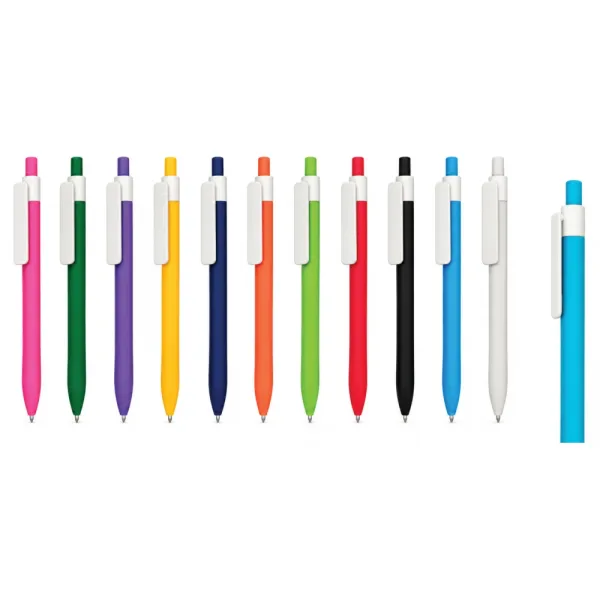
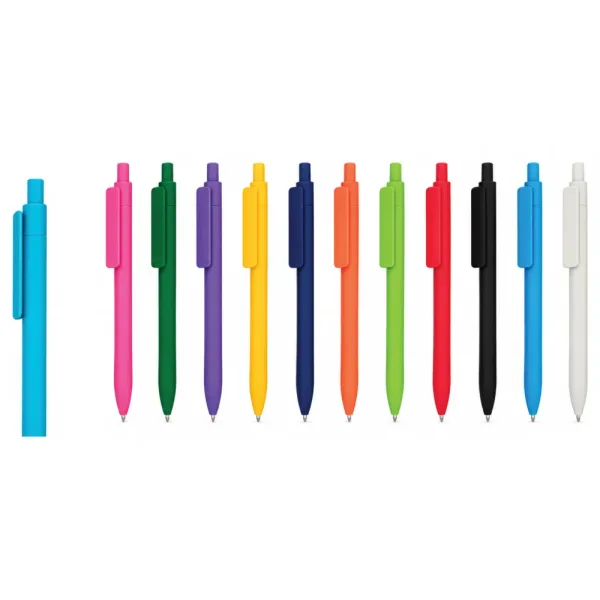
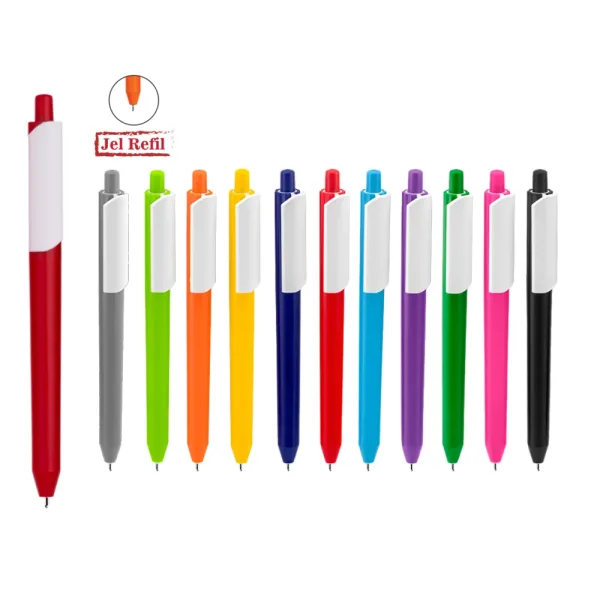
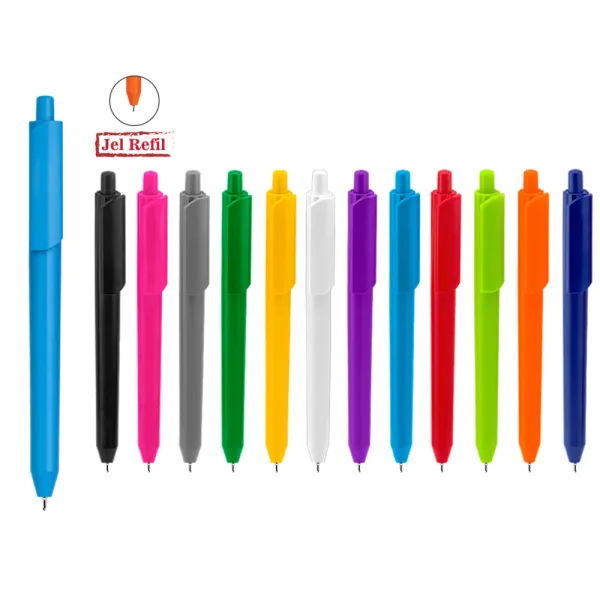
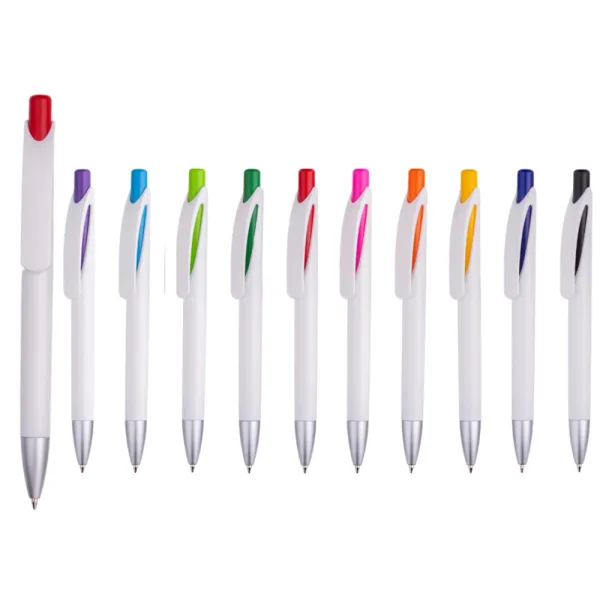
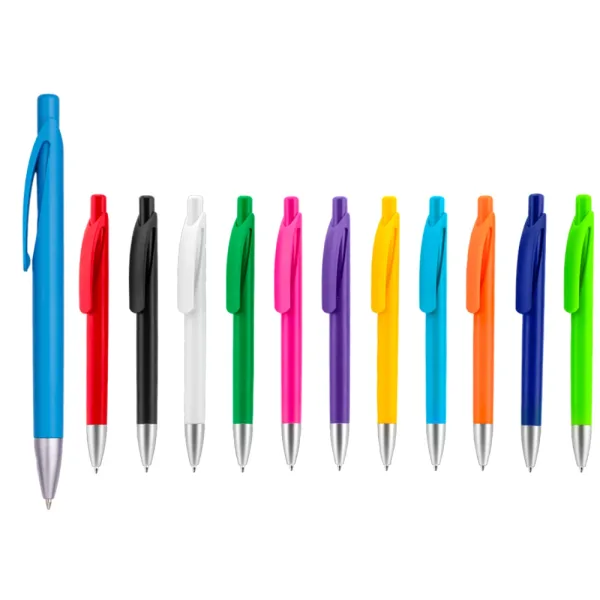
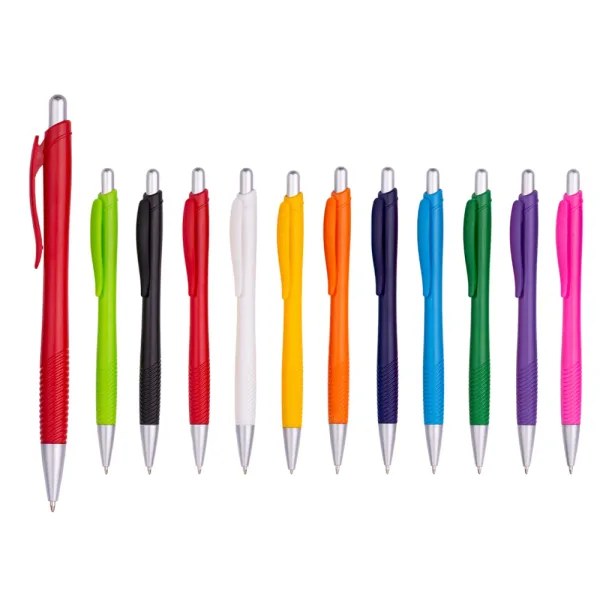
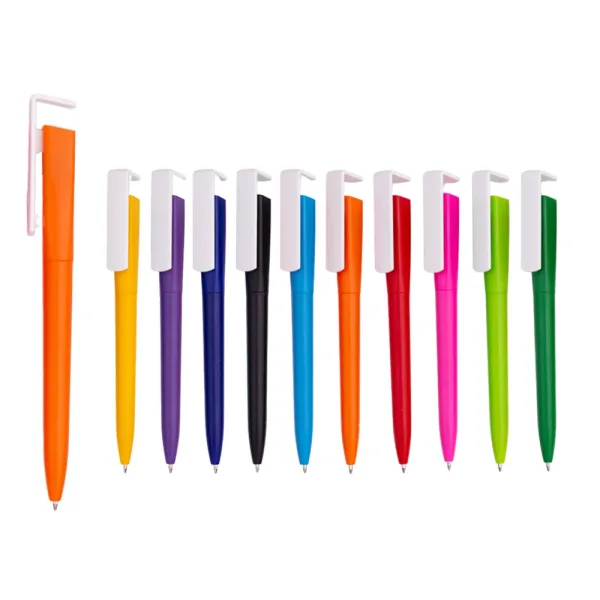
For curved and small surfaces: pens, lighters, keyrings, USB drives. One plate and one pass per colour.
In pad printing, the logo is first etched into a metal or polymer plate. A soft silicone pad picks up the ink from the etched areas and presses it onto the product. Because the pad is flexible, it fits curved, recessed and small surfaces.
Where it is used
- Plastic and metal pens
- Small items such as lighters, keyrings, USB drives and stress balls
- Surfaces that are not flat: round or slightly concave
Colours and cost
Each colour needs its own plate and its own pass. A single-colour logo is the most economical option; more colours mean higher setup and print fees. Colours are usually matched to Pantone codes, so your brand colour can be reproduced.
Once the plate is made, the unit cost drops quickly as quantity grows. That is why pad printing is the most common choice for large pen orders.
Limits
- The print area is small: on a pen, think of a strip a few centimetres long.
- No photos or gradients: the logo should consist of flat colour areas.
- Very thin lines may disappear at small sizes; a simplified logo reads better.
File tips
A vector logo and the Pantone codes of your colours speed things up. Printing a light colour on a dark product may need an extra pass for opacity; we will settle this together in the quote.